
Introduction to PKD
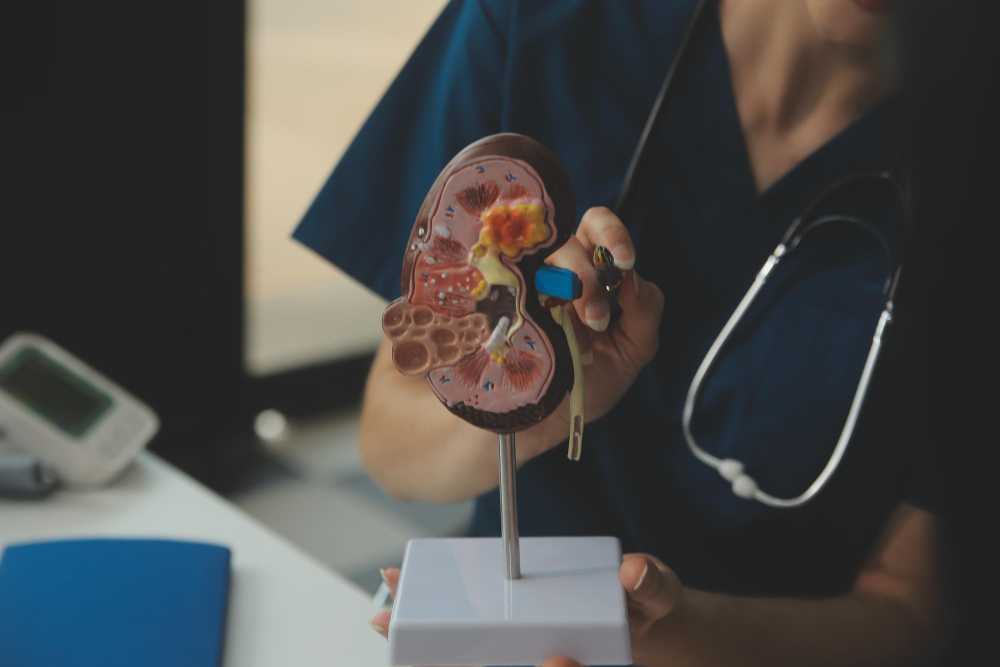
Polycystic Kidney Disease (PKD) is a genetic condition that causes many fluid-filled cysts to grow in the kidneys. These cysts can make the kidneys larger and may lead to kidney damage over time. Because PKD runs in families, it is known as a genetic kidney disorder. Early detection is important, as it can help manage symptoms and slow down kidney damage. According to the National Institutes of Health, PKD affects millions of people worldwide.
Symptoms of Polycystic Kidney Disease
PKD symptoms may not appear right away. However, as the cysts grow, they can cause problems. Early signs of polycystic kidney disease can be mild or easy to miss. But knowing what to look for can help you get care sooner.
Sometimes, people with PKD also develop kidney stones or have headaches. If you notice these symptoms, it is important to talk to a doctor. Early treatment can help protect your kidneys.
Importance of Family Screening for PKD
Since PKD is a genetic kidney disorder, it often runs in families. If a parent has PKD, there is a 50% chance their child will inherit the condition. Therefore, family screening for PKD is very important. Early screening can help find the disease before symptoms start. This way, you and your family can take steps to protect your health. The Centers for Disease Control and Prevention (CDC) recommends family members of people with PKD get checked, even if they feel healthy.
How Family Screening Works
Family screening for PKD is simple and safe. Usually, it starts with a visit to a doctor or nephrologist (kidney specialist). The doctor will ask about your family history and any symptoms. Next, they may suggest tests such as:
Screening is important for children and adults with a family history of PKD. Early detection can help you start treatment sooner and avoid complications.
When to Seek Medical Advice
If you have a family member with PKD, you should talk to your doctor about screening. Also, seek medical advice if you notice:
Even if you feel fine, early signs of PKD can be silent. Therefore, regular check-ups are important, especially if PKD runs in your family.
Prevention and Lifestyle Tips
While you cannot prevent PKD if you have the genes, you can take steps to protect your kidneys. Healthy habits can slow down kidney damage and improve your quality of life. Here are some tips:
With these steps, you can help keep your kidneys healthy for longer.
Conclusion
Polycystic Kidney Disease (PKD) is a serious but manageable condition. Early signs can be hard to spot, so family screening for PKD is key. If you or a loved one has a family history of PKD, talk to your doctor about screening and healthy habits. Consult a nephrologist for personalized advice and family screening options.