
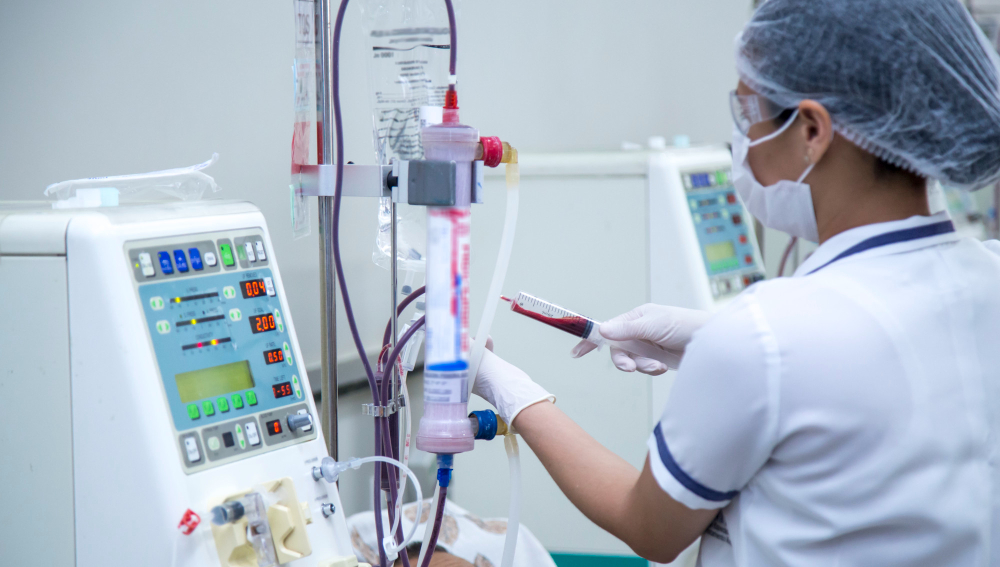
What is Hemodialysis?
Hemodialysis is a treatment for kidney failure. It helps remove waste and extra fluid from your blood. When your kidneys cannot do their job, hemodialysis steps in. This process uses a special machine to clean your blood. Many people rely on hemodialysis as a life-saving kidney failure treatment. According to the World Health Organization (WHO), millions of people worldwide use this therapy.
Who Needs Hemodialysis?
Not everyone needs hemodialysis. Usually, doctors suggest it for people with severe kidney damage. If your kidneys lose most of their function, you may need this treatment. Often, people with chronic kidney disease or sudden kidney injury require hemodialysis. Your doctor will check your health and decide if you need it. Sometimes, people wait until symptoms become serious before starting. However, early treatment can help you feel better and live longer.
How Hemodialysis Works
During hemodialysis, your blood flows through a filter in a machine. This filter removes waste, salt, and extra water. Then, clean blood returns to your body. The process usually takes three to five hours. Most people need treatment three times a week. Because the machine does the work of your kidneys, you must visit a dialysis center or hospital. In some cases, you can do hemodialysis at home with special training.
Common Symptoms and Signs Leading to Hemodialysis
Many people notice symptoms before starting hemodialysis. These signs often mean your kidneys are not working well. Watch for these common symptoms:
If you notice these signs, talk to your doctor. Early action can help prevent serious problems.
The Hemodialysis Procedure: Step-by-Step
Knowing what to expect can ease your worries. Here is a simple step-by-step guide to the hemodialysis procedure:
Most people can read, watch TV, or rest during treatment. Although the process may seem long, it is safe and well-monitored.
Benefits and Risks of Hemodialysis
Hemodialysis offers many benefits. It helps you feel better by removing waste and extra fluid. Many people notice more energy and less swelling. However, there are some risks and side effects to consider. According to the Centers for Disease Control and Prevention (CDC), common dialysis side effects include:
Despite these risks, most people find that the benefits of hemodialysis outweigh the downsides. Your healthcare team will help manage any side effects.
Lifestyle Tips for People on Hemodialysis
Living with hemodialysis can be challenging. Yet, many people lead full lives with the right support. Here are some helpful tips:
With these steps, you can manage your health and enjoy daily life.
Prevention and Early Detection of Kidney Disease
Although hemodialysis is a vital treatment, preventing kidney disease is best. Early detection can delay or avoid the need for dialysis. Here are some ways to protect your kidneys:
If you have a family history of kidney problems, talk to your doctor. Early tests can catch problems before they get worse.
Frequently Asked Questions about Hemodialysis
In summary, hemodialysis is a safe and effective way to treat kidney failure. It helps many people live longer, healthier lives. If you have questions or need advice, consult a nephrologist for personalized guidance about hemodialysis.