
Introduction
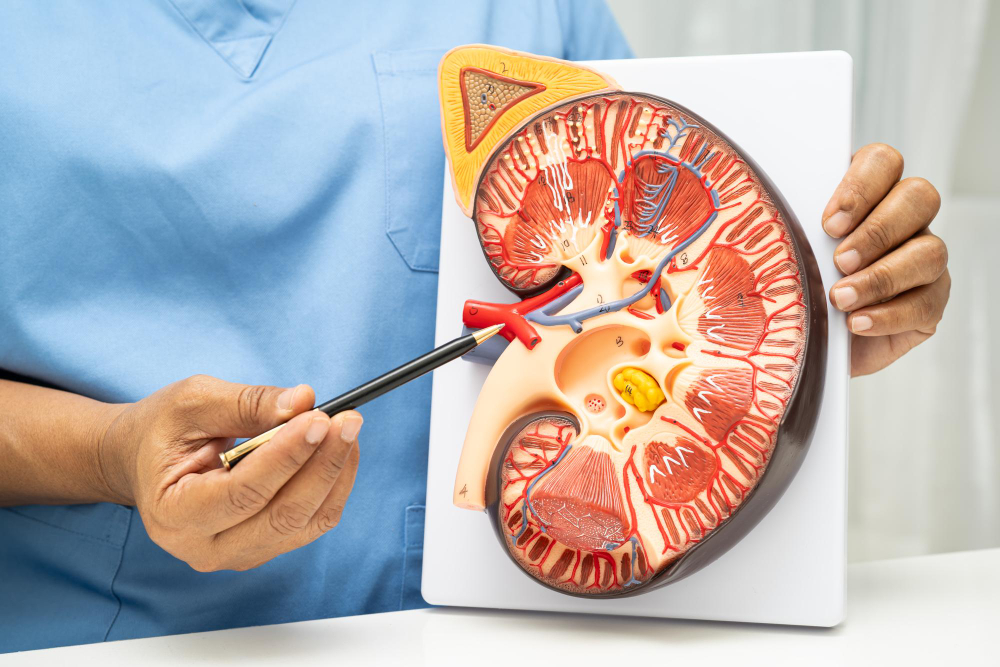
When facing kidney failure, patients often ask about kidney transplant vs dialysis. Both are important treatment options for kidney failure. However, each has unique benefits and risks. This guide explains what you need to know to make an informed choice. According to the World Health Organization (WHO), kidney disease affects millions worldwide. Understanding your options can help you plan for the best care.
What Is Dialysis?
Dialysis is a treatment that helps clean your blood when your kidneys cannot. It removes waste and extra fluid from your body. There are two main types of dialysis:
Usually, dialysis is done several times a week. For many, it is a life-saving option. Still, it does not cure kidney failure. Instead, it helps manage the condition.
What Is a Kidney Transplant?
A kidney transplant is a surgery where a healthy kidney is placed into your body. The new kidney can come from a living or deceased donor. After the transplant, the new kidney takes over the work of your failed kidneys. As a result, many people can live a more normal life. However, you will need to take medicine to prevent your body from rejecting the new kidney.
Key Differences Between Dialysis and Kidney Transplant
Benefits and Risks of Each Option
Dialysis Pros and Cons
Kidney Transplant Benefits and Risks
According to the CDC, transplants often lead to longer life compared to staying on dialysis. However, not everyone is a candidate for transplant.
Who Is Eligible?
Not all patients can get a kidney transplant. Doctors look at your age, overall health, and other conditions. For example, people with active infections or certain cancers may not qualify. On the other hand, almost anyone with kidney failure can start dialysis. Still, your doctor will help decide which treatment is best for you.
Lifestyle Considerations
Choosing between kidney transplant vs dialysis affects your daily life. For instance, dialysis often requires regular clinic visits or home treatments. This can limit work or travel plans. In contrast, a successful transplant may allow more freedom. However, you must take medicines every day and attend regular check-ups. Either way, support from family and friends can make a big difference.
Cost and Accessibility
Cost is an important factor for many families. Dialysis can be expensive over time because it is ongoing. Kidney transplant surgery costs more upfront, but long-term costs may be lower. In some areas, there may be long waiting lists for transplants. Insurance and government programs may help cover costs. Always check with your healthcare provider about your options.
Prevention and Long-Term Outlook
While both treatments help manage kidney failure, prevention is best. Eating a healthy diet, controlling blood pressure, and managing diabetes can protect your kidneys. According to medical journals, transplant patients often live longer and enjoy better health than those on long-term dialysis. However, regular follow-up is needed for both options.
Conclusion
In summary, both dialysis and kidney transplant are vital treatment options for kidney failure. Each has its own benefits and risks. Therefore, it is important to talk with your doctor about what is right for you. Consult a nephrologist for personalized advice on kidney failure treatment options.