
Introduction
Many people feel nervous when they hear about a renal biopsy. This test helps doctors find out what is wrong with your kidneys. However, there are many myths and facts about renal biopsy that can cause confusion. Some people think the test is very risky or painful. Others believe it is not needed. In this blog, we will clear up these myths and share the real facts. Understanding the truth can help you feel more at ease if your doctor suggests this test.
What is a Renal Biopsy?
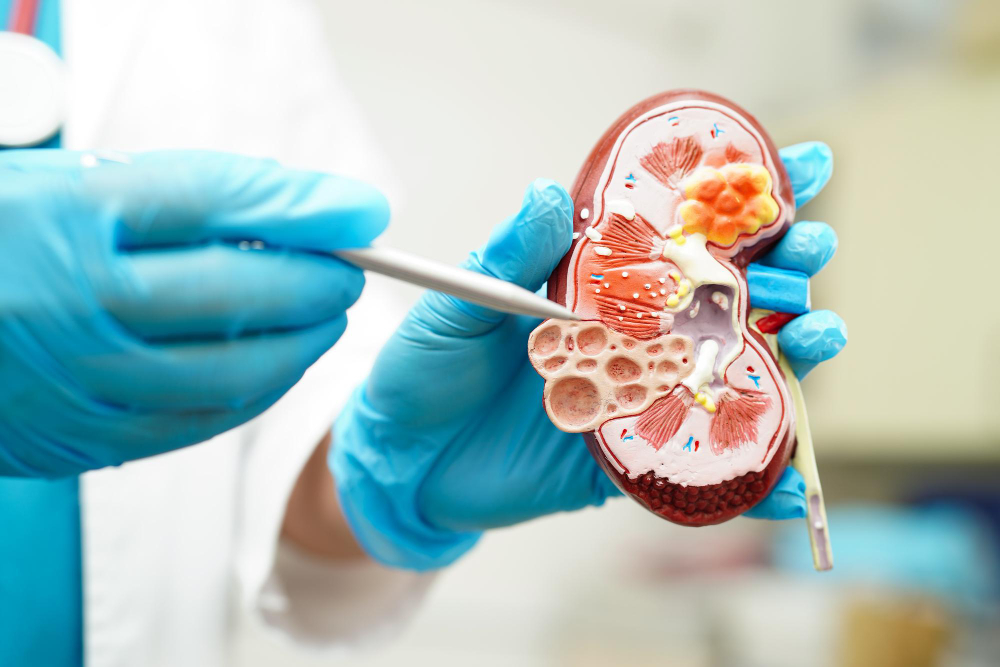
A renal biopsy is a medical test. During this test, a doctor takes a small piece of kidney tissue. This tissue is then checked under a microscope. Usually, doctors use a thin needle to collect the sample. Most often, the test is done to find out why your kidneys are not working well. Sometimes, it helps doctors plan the best treatment for you. Although the idea may sound scary, the procedure is usually quick and safe.
Common Myths about Renal Biopsy
There are many myths about renal biopsy. These myths can make people worry more than they need to. Let’s look at some common ones:
Facts about Renal Biopsy
Now, let’s look at the real facts about renal biopsy. Knowing the truth can help you feel more comfortable.
Why Renal Biopsy is Important
Renal biopsy gives doctors important information. For example, it can show if you have an infection, swelling, or scarring in your kidneys. Sometimes, it helps find out if a disease is getting worse. Because of this, doctors can choose the best treatment for you. Without a biopsy, it may be hard to know the exact problem. Therefore, this test can help protect your kidney health in the long run.
Safety and Risks: What You Should Know
Most people have a safe experience with renal biopsy. However, like any medical test, there are some risks. The most common risk is mild bleeding at the biopsy site. Rarely, a person may have more serious bleeding or infection. Doctors check your health before the test to lower these risks. They also watch you closely after the procedure. If you notice blood in your urine or feel pain, tell your doctor right away. Still, serious problems are rare, especially when the test is done by experts.
How to Prepare for a Renal Biopsy
Preparing for a renal biopsy is simple. Your doctor will give you clear instructions. Usually, you may need to:
Always follow your doctor’s advice. If you have questions, ask before the test day.
Recovery and Aftercare Tips
After a renal biopsy, you will need some rest. Here are some tips to help you recover:
Most people feel back to normal within a few days. However, if you notice any problems, contact your doctor right away.
Conclusion
In summary, knowing the myth and fact about renal biopsy can help you make better choices. The test is safe, helpful, and often needed to find out what is wrong with your kidneys. If your doctor suggests a renal biopsy, do not be afraid. Instead, talk to your doctor and ask questions. Consult a nephrologist for personalized advice about renal biopsy.