Introduction
Renal hypertension is high blood pressure caused by kidney problems. This condition affects many people worldwide. Because the kidneys help control blood pressure, any issue with them can raise your risk. Early detection and treatment of renal hypertension are important. If left untreated, it can harm your heart, blood vessels, and kidneys. Understanding this condition can help you protect your health and well-being.
What is Renal Hypertension?
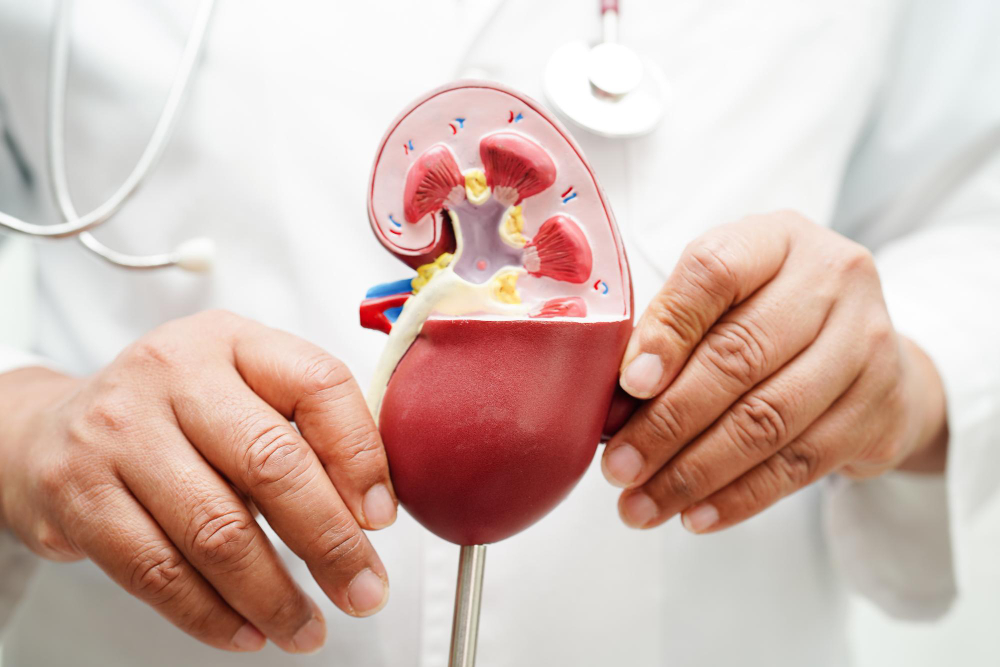
Renal hypertension means high blood pressure linked to kidney disease. The kidneys filter waste and extra fluid from your blood. When they do not work well, blood pressure can rise. This type of high blood pressure is also called renovascular hypertension. It is different from regular high blood pressure because it starts with a kidney problem.
Causes of Renal Hypertension
Several kidney issues can lead to renal hypertension. The most common causes include:
In some regions, kidney infections or certain inherited conditions may also play a role. According to the CDC, kidney disease is a leading cause of secondary high blood pressure.
Common Symptoms
Renal hypertension often does not cause clear symptoms at first. However, as the condition worsens, you may notice:
Sometimes, people only learn about renal hypertension during a routine checkup. Therefore, regular blood pressure checks are important, especially if you have kidney problems.
How Renal Hypertension is Diagnosed
Doctors use several steps to diagnose renal hypertension. First, they check your blood pressure. If it is high and hard to manage, they may suspect kidney involvement. Next, they may order tests such as:
Sometimes, more advanced imaging is needed. Early diagnosis helps prevent further kidney damage and other problems.
Treatment Options
Treating renal hypertension focuses on lowering blood pressure and protecting the kidneys. Treatment options may include:
According to the World Health Organization, controlling blood pressure can slow kidney damage and lower the risk of heart disease.
Lifestyle Tips for Managing Renal Hypertension
Along with medical treatment, healthy habits can help manage renal hypertension. Try these tips:
Even small changes can make a big difference over time.
Prevention Strategies
While not all cases can be prevented, you can lower your risk of renal hypertension by:
Early action helps protect your kidneys and overall health.
Conclusion
Renal hypertension is a serious condition linked to kidney health. However, with early diagnosis and the right treatment, you can manage it well. Remember, healthy habits and regular checkups are key. Consult a healthcare specialist for personalized advice on renal hypertension.